
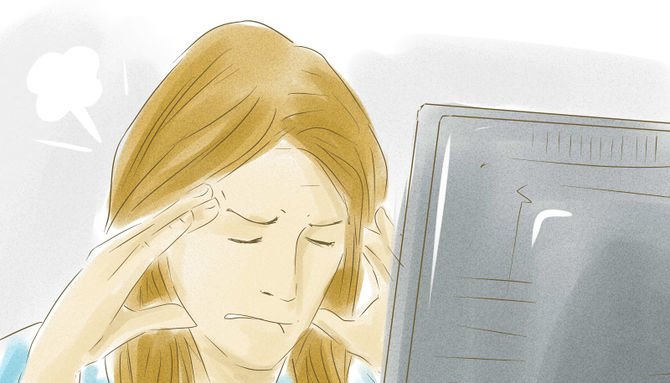
We all have stress in our lives, and we all deal with it differently. We each have our breaking point, when instead of responding with grace, we react with hostility or frustration – and that’s OK because we’re all human. What’s more frustrating is repeating this pattern, knowing it’s not useful, but not quite being able to get a handle on it. Being in a pattern of reactivity and feeling you’re at the mercy of your emotions can be disheartening. These three steps can help break the cycle:
- COME BACK INTO THE PRESENT: Connect with your body by becoming aware of your bodily sensations: the rising temperature in your body, a tightening in your throat, your heart palpitating, or a sudden loss of breath. Then, take a deep breath and bring your focus to the feel of your feet on the ground. By doing this, you’re bringing your mind into the present moment. The great thing about the body is that it operates in present time, so you can rely on it to help you feel grounded. If you stick with this focus, you will soon feel the intensity of your sensations subsiding. Research shows that when you are with your senses, your limbic system (the fight, flight or freeze reactions) is deactivated, and your prefrontal cortex (the rational part of the brain) is activated.
- DON’T BELIEVE YOUR THOUGHTS: Become aware of your thoughts. For most situations that arise, you usually have a series of interpretations. However, understand that these interpretations are not reality but images or sound bites that often try to defend or prove your point. What is the story? Are you the hero, the victim, deficient or beleaguered? Don’t try to get rid of your thoughts, but do not mistake them as reality. Your thoughts may feel real, but they are just thoughts, and by recognizing thoughts for what they are, you can release them. In hindsight, events will feel different and your perspective will change. More importantly, you will get a better handle on the situation, because you will see things more clearly.
- BE SELF-COMPASSIONATE: There’s a part in all of us that wants to be perfectly skillful, all the time. Unfortunately, that isn’t possible. It’s best to be realistic and realize that at the root of many of your dysfunctional patterns, there is a feeling of fear: fear of not being good enough, smart enough, beautiful enough, or funny enough. This fear can block you. Self-compassion teaches you to embrace your flaws and helps you loosen the grip of fear. In doing so, you can accept yourself and others better because you understand that navigating through life is not easy, while recognizing that a little compassion can go a long way.
For upcoming mindfulness events and workshops please visit http://mindsana.com/workshops/