
One of the most compelling reasons that I have come across on why to practice mindfulness came from a YouTube video of John Kabat-Zinn making a presentation at Goggle in October 11, 2007. Someone in the audience was wearing a U.S. Olympic Rowing jersey, which caught his eye, and he recalled training the U.S. Olympic Rowing team in mindfulness back in 1984. He explained how they compete sitting down, so teaching them to sit wasn’t such a big deal, but they also compete backwards, which isn’t easy, and if you’re not in a single, then you have to train the team to be in compete harmony. Getting them to synchronize their minds and bodies is hard, but when they do something very interesting and magical happens; the boat, the rowers and the wind all become one and they are in complete concert.
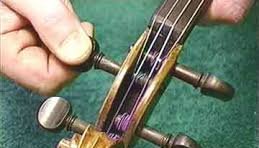
Kabat-Zinn then drew a parallel with today’s digital revolution, which requires us to be able to work in increasingly complex systems and in harmony with each other. Unfortunately, we often bring what he calls, “a stone age mind” that needs to be trained. Because the ground is shifting so quickly we can easily be confused, stressed, or distracted in some kind of suffering, and this blocks our creativity, our concentration, our thoughtfulness, our ability to have break throughs and our ability to see things clearly. Learning how to meditate is considered out of the norm for many, and is sometimes construed to be “weird”, but as Kabat Zinn point out, there is nothing weird about learning to be in stillness, silence and self-reflection. Meditating is akin to tuning your most valuable instrument, the mind. No great musician would ever perform without tuning his or her instrument, Kabat-Zinn notes: “It would be like the Philadelphia Philharmonic Orchestra or some great orchestra playing Beethoven without tuning first” and he is right. The mind is arguably our most valuable asset, it needs to be taken care of and regularly tuned. Are you ready for your performance?
For upcoming mindfulness events and workshops please visit http://mindsana.com/workshops/